
Understanding the Psychological Triggers Behind Gambling at Pin-Up
The Allure of Risk and Reward
The fundamental appeal of gambling lies in the intrinsic risk and reward dynamic. Players are often drawn to the thrill of potentially winning big, which ignites their emotions and fuels their desire to engage in games like those offered at Pin-Up. This psychological trigger can create a roller coaster of emotions, from excitement to anxiety, which adds to the overall gaming experience. To explore the latest deals and offers, you can visit https://casino-pinup.ng/bonuses/, where you will find a variety of options that enhance your chances to win big.

Moreover, the element of uncertainty plays a significant role in enhancing this allure. The possibility of losing often seems overshadowed by the chance of an impressive payout. This uncertainty can create a compelling narrative in the mind of the player, encouraging them to stake their money in hopes of a thrilling outcome. In the context of Pin-Up, where diverse gaming options are available, this psychological aspect becomes even more pronounced, as players continuously explore different ways to engage with their risks.
Furthermore, the instant gratification provided by gambling can exacerbate this urge. Players enjoy quick results and immediate feedback on their choices, leading to repeated visits to the platform. This quick cycle of engagement not only satisfies immediate desires but also fosters a habit that can keep players returning for more, creating a cycle that sustains their interest and investment in the games.
The Role of Bonuses and Promotions
Bonuses and promotions, such as those offered by Pin-Up, serve as powerful psychological triggers that can entice players to participate in gambling. These incentives can create a sense of urgency and excitement, prompting individuals to sign up and engage with the platform. For instance, welcome bonuses can make new players feel valued, offering them more reasons to explore and enjoy their gaming experience. This immediate reward mechanism taps into the brain’s reward centers, making it hard for players to resist the urge to gamble. Pin Up Bonuses are a vital part of this dynamic, providing added motivation to return.
Additionally, limited-time offers can instigate a fear of missing out (FOMO), further amplifying the desire to engage in gaming activities. The psychology behind FOMO is deeply rooted in human nature, as individuals often fear being left out or missing a unique opportunity. By leveraging this emotional trigger, platforms like Pin-Up can effectively increase player engagement, as users rush to take advantage of the special offers before they expire.
The concept of loyalty bonuses also plays a crucial role in retaining players over time. These rewards can foster a sense of commitment and attachment to the platform, as players feel recognized and appreciated for their continued patronage. Such psychological conditioning enhances the overall gambling experience, making players more likely to return, not just for the thrill of the game, but also for the associated rewards that come with being a loyal member of the Pin-Up community.
The Social Dynamics of Gambling
The social aspect of gambling can act as a compelling psychological trigger, encouraging players to engage in games at platforms like Pin-Up. Gambling is often viewed as a communal activity, where players share experiences, strategies, and outcomes. Whether through chat features or social media discussions, the camaraderie among players can enhance the overall gaming experience, making individuals feel more connected and engaged.
In addition, social reinforcement can drive players to make decisions they might not consider in isolation. Peer influence plays a significant role in this context; seeing friends or fellow players win can evoke feelings of competitiveness and encourage players to gamble themselves. This social proof can serve as a powerful motivator, reinforcing the notion that success is possible and desirable, thereby prompting users to dive deeper into their gaming adventures at Pin-Up.
Moreover, social platforms have made it easier to share achievements and milestones, creating a virtual environment where players can celebrate their wins together. This communal joy can lead to heightened emotional investment in the gambling experience, encouraging players to return frequently. Thus, social dynamics not only enhance the immediate thrill of gambling but also contribute to a long-term engagement strategy for platforms like Pin-Up.
Cognitive Biases and Decision-Making
Gambling often triggers various cognitive biases that can significantly influence a player’s decision-making process. The illusion of control, for example, leads players to believe that they can influence outcomes in games of chance. This psychological phenomenon can result in overconfidence, prompting individuals to continue gambling even after experiencing losses. The belief that they can turn their luck around can be a powerful motivator, drawing players back to Pin-Up for another chance at victory.
Another prevalent cognitive bias in gambling is the gambler’s fallacy, where players think that past outcomes will affect future results. For instance, if a player experiences a series of losses, they might believe that a win is “due.” This misperception can cause them to increase their bets, further entrenching them in the gambling cycle. Such biases can cloud judgment and lead to irrational decision-making, making it essential for platforms like Pin-Up to implement responsible gaming measures to mitigate potential negative impacts.
Additionally, players often rely on mental shortcuts or heuristics when making decisions in gambling scenarios. This reliance can lead to simplified thinking, where individuals ignore essential statistics or probabilities. Such cognitive shortcuts can result in more impulsive betting behaviors, which not only increase engagement but can also lead to unfavorable financial decisions. Understanding these psychological aspects allows platforms like Pin-Up to address player needs more effectively and responsibly.
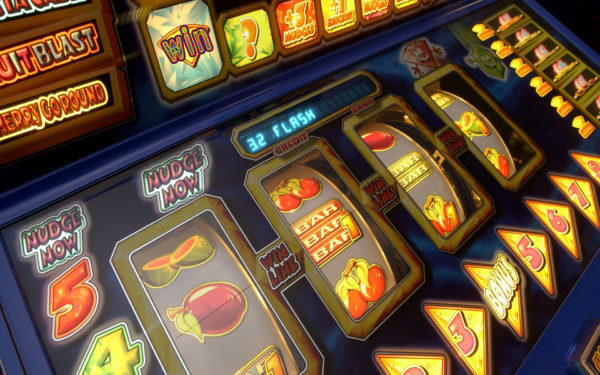
Pin-Up: A Hub for Psychological Engagement
Pin-Up has established itself as a premier destination for online gaming, providing an array of features designed to cater to the psychological triggers that influence gambling behavior. From engaging game designs to user-friendly interfaces, the platform aims to create an immersive experience that captivates players. The integration of social elements, like community features and live dealer games, allows for enhanced interaction, further appealing to the psychological aspects of gambling.
Moreover, the strategic implementation of bonuses and promotions demonstrates a keen understanding of the psychological motivators at play. By offering welcome bonuses, loyalty rewards, and exciting promotions, Pin-Up successfully taps into the emotions of anticipation, excitement, and satisfaction that drive players to engage in gambling activities. This proactive approach helps sustain player interest and fosters a long-lasting relationship between users and the platform.
In conclusion, the psychological triggers behind gambling at Pin-Up are multifaceted, involving risk and reward dynamics, social interactions, cognitive biases, and well-structured incentives. As the gambling landscape continues to evolve, understanding these underlying factors is crucial for both players and operators. Pin-Up serves as a case study in effectively leveraging psychological principles to enhance user experiences and cultivate a thriving online gaming community.