
The Nature of Chance and Rational Decision-Making
From a philosophical standpoint, gambling presents a fascinating intersection of chance, human psychology, and the pursuit of reward. Philosophers have long contemplated the nature of luck, fate, and the rational choices individuals make when faced with uncertain outcomes, and understanding these underlying principles can offer a unique perspective on casino play, moving beyond simple entertainment to a more considered engagement with the odds, including exploring options like the website Koru Casino.

The core of casino play, particularly in games of chance, rests on probability. While outcomes are inherently random, the mathematical probabilities are fixed. A philosophical approach encourages acknowledging this randomness while still employing rational decision-making to manage risk and potentially optimize one’s chances, even within a system designed for the house to win over the long term. This involves understanding concepts like expected value and statistical variance.
Embracing Stoic Principles in Volatile Environments
Stoic philosophy, with its emphasis on accepting what one cannot control and focusing on what one can, offers valuable lessons for the casino environment. The inherent volatility of gambling results, the unpredictable nature of a roulette spin or a slot machine outcome, is precisely the kind of external factor that Stoics would advise accepting with equanimity. Instead of succumbing to frustration or elation based on wins or losses, a Stoic approach would advocate for maintaining inner composure.
Applying Stoic principles means focusing on the process and the decisions made, rather than the ultimate outcome. This involves responsible bankroll management, setting limits, and playing with a clear head, all of which are within the player’s control. The external events – the cards dealt, the numbers drawn – are beyond influence and should be met with reasoned detachment. This mindset fosters a healthier and more sustainable approach to gambling, protecting the player from emotional distress and financial ruin.
The Socratic Method and Game Selection
Just as Socrates encouraged questioning assumptions and examining beliefs, a philosopher’s approach to casino play involves rigorous self-inquiry and critical evaluation of the games offered. Before placing a single bet, one should ask fundamental questions: What are the rules of this game? What are the house edge and the payout structures? What are the probabilities of different outcomes? This intellectual rigor can significantly inform game selection, steering players towards options with more favorable odds or strategic depth.
The Socratic method also applies to understanding one’s own motivations for playing. Are you seeking pure entertainment, a thrill, or a genuine attempt to profit? Honest self-assessment, guided by critical questioning, can lead to more informed and responsible choices. For instance, games with lower house edges and higher player autonomy, like certain forms of blackjack or video poker with optimal strategy, might appeal more to the rational inquirer than games of pure, unadulterated chance.
Existentialism and the Freedom of Choice at the Table
Existentialist philosophy highlights the radical freedom and responsibility that individuals possess. In the context of gambling, this translates to the absolute freedom to choose which games to play, how much to wager, and when to stop. This freedom, however, comes with the weight of responsibility for the consequences of those choices. There is no predetermined fate dictating a win or a loss; each decision is an act of will in a realm of uncertainty.
An existentialist perspective encourages acknowledging the absurdity of seeking guaranteed outcomes in a game of chance. Instead, the focus shifts to the authentic experience of engaging with the game, the thrill of the risk, and the personal responsibility taken for one’s actions. This means embracing the play as an act of free will, accepting both the potential rewards and the inherent risks without external blame or justification, and understanding that the experience itself holds value.
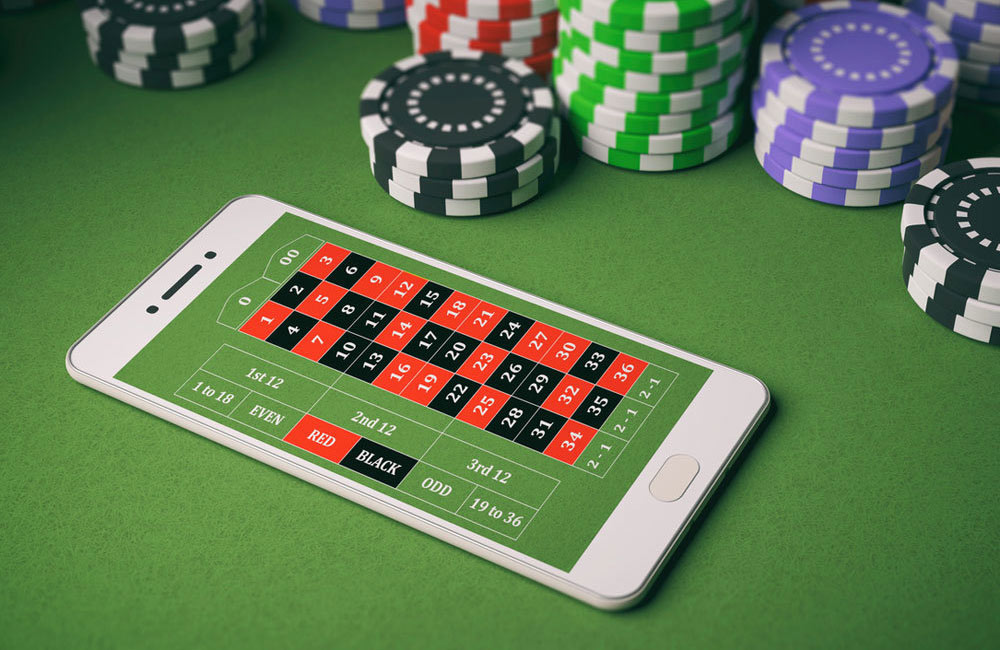
Navigating the Digital Casino Landscape: A Holistic View
The modern casino landscape has expanded significantly into the digital realm, offering players a vast array of options accessible from anywhere. For those who approach gambling with a philosophical mindset, this digital expansion presents both opportunities and challenges. The accessibility means one can engage with games of chance more frequently, underscoring the importance of discipline and rational decision-making to avoid impulsive behavior. The sheer volume of available games, from classic table games to innovative slot titles, necessitates a thoughtful approach to selection.
When considering online platforms, a critical and philosophical lens is essential. This includes thoroughly researching the reputation and licensing of any given online casino to ensure fair play and secure transactions. Furthermore, understanding the terms and conditions, particularly regarding bonuses and withdrawals, is crucial. A platform that transparently communicates its policies and offers a diverse, well-regulated gaming environment aligns more closely with a principled approach to casino play, allowing players to explore the dynamics of chance with a greater sense of security and informed consent.
