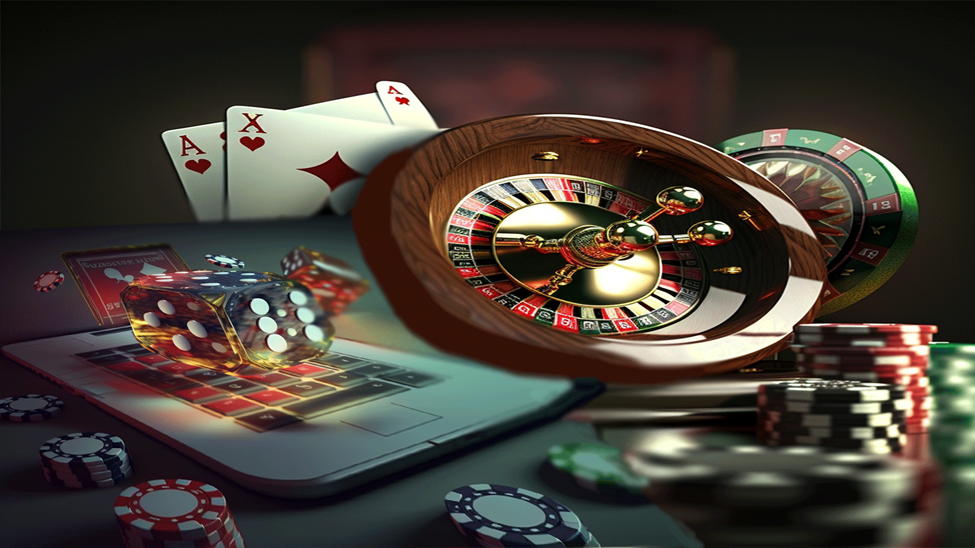
The Allure of Chance and Risk
At the core of casino gaming lies an intricate blend of chance and risk that captivates players. The thrill of potentially winning a jackpot often overshadows the realities of losing. Psychologically, this creates a compelling dynamic where players are drawn to engage in a behavior that, while inherently risky, provides the possibility of significant reward. This allure can be likened to the concept of gambling as a risk-taking activity where hope and excitement intertwine, prompting individuals to explore casino sites fast withdrawal options that enhance their overall experience while pushing their limits.

Moreover, the random nature of games like slots and roulette adds an unpredictable element that enhances the thrill. Players are often lured by the illusion of control, believing that their decisions can impact outcomes, even when they cannot. This cognitive bias, known as the illusion of control, can lead individuals to play longer and wager more, fueled by the anticipation of a positive outcome. As they experience small wins, the emotional highs can create a reinforcement loop, making them more susceptible to prolonged gameplay.
The environment of the casino further amplifies this psychological draw. With bright lights, captivating sounds, and enticing aromas, casinos are designed to stimulate the senses and evoke strong emotional responses. This sensory overload can disorient players, making it easier for them to lose track of time and money. The combination of excitement and risk creates a powerful cocktail that not only captivates players but also influences their perception of reality, blurring the lines between entertainment and obligation.
The Role of Reward Systems
Understanding the mechanics of reward systems is crucial in unpacking the psychological appeal of casino gaming. Casinos employ various strategies to encourage player engagement, such as loyalty programs and bonuses, which are designed to create a sense of belonging and appreciation. These rewards trigger the brain’s release of dopamine, a neurotransmitter associated with pleasure and reinforcement. Such psychological reinforcement can lead players to develop attachments to gaming environments, making them more likely to return.
Additionally, the way wins are structured significantly impacts player behavior. Near-misses—when players almost win—serve as psychological encouragement, skewing perceptions of success. The brain often registers these near-misses as actual wins, leading to increased motivation to continue playing. This phenomenon is particularly relevant in slot machines, where the intermittent rewards keep players engaged, often leading them to overlook the overall financial losses they may have accrued.
Furthermore, social interactions within a casino setting amplify emotional experiences. Engaging with other players or participating in live games creates a communal atmosphere that can enhance enjoyment. The social dynamics can make the gaming experience more immersive, allowing players to bond over shared experiences. This engagement can lead to longer play sessions, as the social component creates a compelling psychological need to belong and enjoy shared successes, regardless of individual financial outcomes.
Addiction and Compulsive Behavior
The psychology behind casino gaming can also lead to addiction and compulsive behaviors in some individuals. The same reward mechanisms that initially foster engagement can transform into harmful patterns for vulnerable players. The excitement of winning can quickly shift to a compulsion to keep playing, as individuals chase losses in an attempt to regain control. This can create a downward spiral where players feel trapped in their gaming behaviors, often prioritizing gambling over essential responsibilities.
Psychologists categorize this problem as gambling disorder, which affects a significant number of individuals worldwide. Factors such as environmental cues, personal stressors, and mental health conditions can exacerbate the issue. Individuals may utilize gambling as a coping mechanism for underlying issues, leading them to seek out that initial thrill regardless of adverse consequences. This phenomenon illustrates how a once-entertaining activity can morph into a compulsive behavior that holds serious implications for mental health.
Interventions for gambling addiction often focus on behavioral therapy and support systems. These approaches seek to address the cognitive distortions associated with gambling, helping individuals recognize unhealthy patterns and develop coping strategies. By understanding the psychological triggers that lead to compulsive gambling, individuals can work towards healthier relationships with gaming, ultimately finding balance and enjoyment without succumbing to the darker sides of addiction.
The Influence of Marketing and Design
Casinos invest heavily in marketing and design strategies that leverage psychological principles to attract and retain players. The architecture of a casino is meticulously planned to encourage exploration, with layouts that keep players engaged without clear exits. This design can lead to extended playtime, as players become immersed in the environment and lose track of time and money spent. The strategic placement of high-stakes games near entrances and popular attractions draws in players and influences their decision-making.
Furthermore, promotional strategies such as free drinks or entertainment enhance the gaming experience while ensuring players linger longer. These tactics capitalize on the idea of maximizing fun and enjoyment, often overshadowing the financial implications of continued gameplay. By reinforcing a positive atmosphere, casinos can create a sense of excitement that propels players to engage more deeply, often resulting in increased spending and loyalty to the gaming environment.
Social media and digital marketing also play critical roles in modern casino engagement. Online platforms enable casinos to reach audiences beyond their physical locations, utilizing psychological triggers to entice new players with bonuses and promotions. Gamification elements, such as leaderboard competitions and challenges, further enhance player interaction and engagement in both online and physical settings. This ever-evolving landscape reflects an understanding of psychological principles, leveraging technology to create deeper connections between players and gaming experiences.
Addressing Mental Health Considerations
Understanding the psychological aspects of casino gaming is essential, particularly in addressing the mental health considerations that accompany gambling. The pressure to win and the excitement of gaming can lead to psychological stress for many individuals. It is crucial for players to recognize their limits and engage in responsible gaming practices to maintain a healthy relationship with gambling. Casinos themselves are also beginning to play a role in promoting responsible gaming, offering resources and support systems for individuals who may struggle with compulsive behavior.
Education and awareness campaigns are vital in combating the negative psychological effects of gambling. By providing information about the risks and the signs of gambling addiction, individuals can make informed decisions about their gaming behavior. Treatment options, such as counseling and support groups, can help those affected by gambling disorder reclaim control over their lives and make healthier choices. The recognition of mental health within the gaming community is a growing concern that prioritizes player well-being and responsible practices.
Moreover, the development of self-exclusion programs and support hotlines showcases the industry’s commitment to addressing mental health concerns. These initiatives allow individuals to take proactive steps in managing their gambling habits, fostering an environment where players can seek help without stigma. Ultimately, the continued focus on mental health in conjunction with entertainment will create a safer and more welcoming space for casino-goers, ensuring that gaming remains a pleasurable experience rather than a source of distress.